
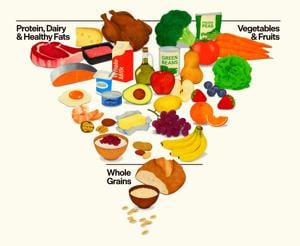
The U.S. government updates its official dietary guidelines every five years. These guidelines influence food policy across the nation. They also guide federal programs like school lunches and nutritional assistance. The recent release of the new recommendations has sparked discussion among health professionals. In states with significant public health challenges, like West Virginia, these changes are particularly relevant. Experts are now evaluating how the adjustments might affect local health initiatives and public education efforts.
The new guidelines emphasize specific changes to a balanced diet. Notably, they recommend stricter limits on added sugars and alcohol consumption. Nutritionists generally support these recommendations. However, implementing these changes on a broad scale presents challenges. Many West Virginia health professionals believe clear communication is crucial for public understanding. They also understand that individual dietary changes require personalized support.
West Virginia faces high rates of chronic diseases. For instance, obesity and diabetes rates remain among the highest in the country. Therefore, nutrition advice tailored to the state’s population is vital. Local experts are working to translate the federal recommendations into actionable advice for residents. They must consider cultural food preferences and economic constraints. The goal is to make healthy eating accessible and understandable for everyone.
Furthermore, these national guidelines serve as the foundation for state-level nutrition programs. These programs aim to combat food insecurity and promote healthier lifestyles. Local dietitians are determining how to integrate new advice with existing programs effectively. For more details on the history and purpose of these federal recommendations, you can read about the Dietary Guidelines for Americans process. These guidelines are not just suggestions; they shape public health policy for years to come.
These updates provide a general framework for healthy eating. They stress the importance of nutrient-dense foods and whole grains. However, individual nutritional needs vary greatly. Consumers should consult with local health professionals for personalized dietary plans. What do you think about the latest federal nutrition recommendations and their impact on public health? Share your thoughts below.