
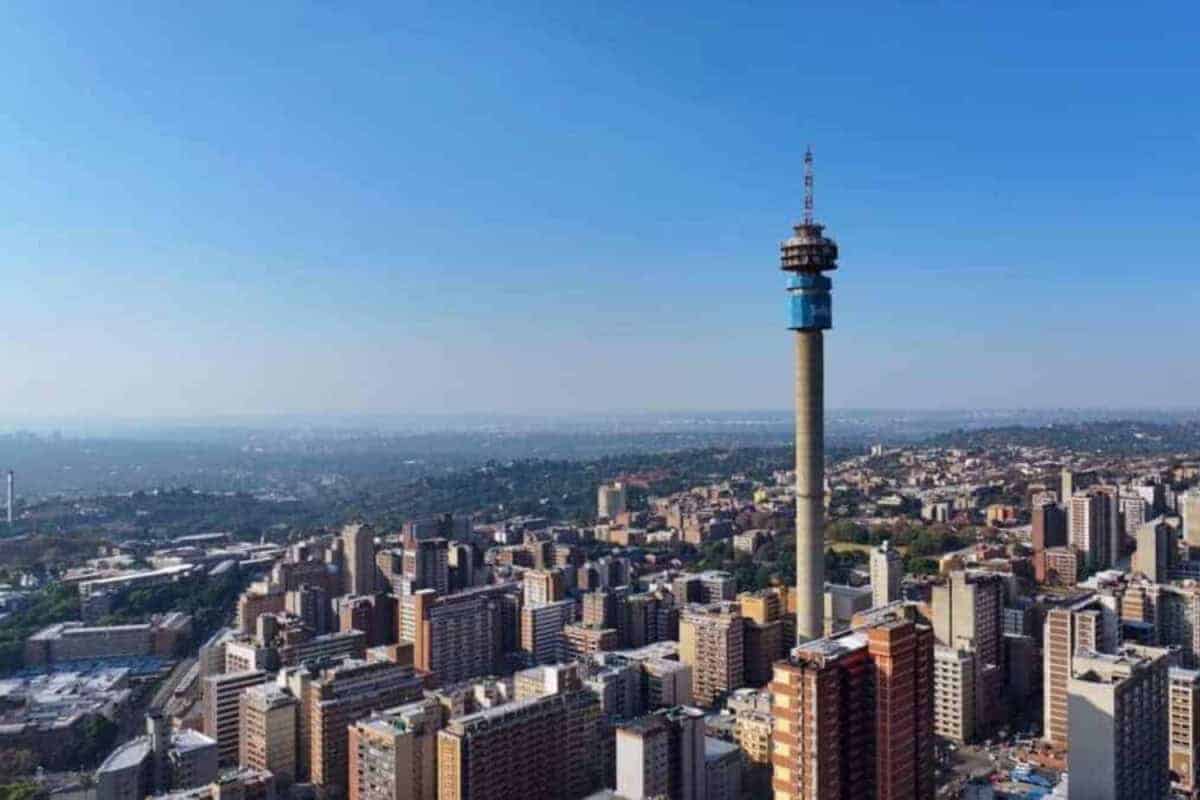
Johannesburg is grappling with a severe infrastructure problem. The city’s essential systems are struggling under daily pressure. Now, climate change introduces new levels of risk. More extreme weather events are becoming common. Heatwaves, droughts, and sudden floods threaten the city’s stability. This puts immense strain on services that are already fragile. The vulnerability of Africa’s largest city is becoming increasingly clear.
The threat of fire, for instance, has dramatically increased. Climate change causes longer dry spells and higher temperatures. Moreover, many buildings in the city lack adequate fire protection. Johannesburg’s fire hydrants frequently malfunction or lack sufficient pressure. This combination creates a dangerous scenario. Emergency services cannot respond effectively to major outbreaks. The risk of widespread loss of life and property grows daily.
Water scarcity poses an equally severe challenge. Heatwaves increase demand for water significantly. Furthermore, a report by Reuters highlighted how African cities struggle with aging infrastructure under climate stress. Johannesburg's aging pipes burst often, leading to significant water loss. This mismanagement exacerbates drought conditions. The city cannot rely on its current water management strategies to ensure future supply for its growing population.
The underlying issues are systemic and long-standing. Years of insufficient maintenance have weakened essential services. Political instability has hampered necessary infrastructure investment. However, these failures are now intersecting with global climate change. This creates a feedback loop of decay. The city's resilience against future shocks is rapidly diminishing. This requires urgent attention from municipal authorities.
Johannesburg's future depends on proactive measures. Investing in robust infrastructure is crucial. Prioritizing climate resilience must become the central focus. Ignoring these vulnerabilities will lead to catastrophic consequences. The city's leadership must act now to safeguard its residents. What steps do you think are most important for Johannesburg to take immediately?