
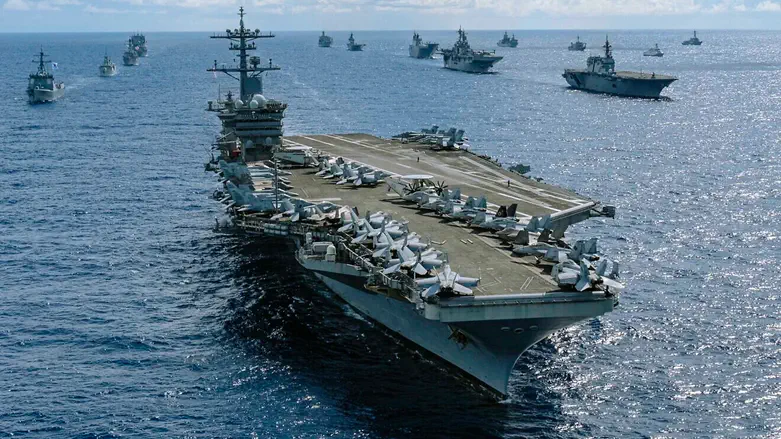
The possibility of another Donald Trump presidency raises serious questions about US foreign policy. Specifically, analysts are watching for a potential shift in strategy toward Iran. Trump's previous administration utilized a 'maximum pressure' campaign against Tehran. This involved harsh economic sanctions and targeted military actions, like the strike on General Soleimani. A second term could signal a return to this assertive stance. The rhetoric from potential administration figures often suggests a readiness to confront the Islamic Republic directly.
The primary point of friction remains Iran's nuclear program and its support for regional proxies. These proxies routinely destabilize the Middle East and threaten US interests. During his first term, Trump’s willingness to use force was evident. He demonstrated that conventional deterrence was not always the only option on the table. However, any future military action requires careful planning. Success depends on clear objectives and precise execution. A military campaign against Iran would be far more complex than isolated strikes.
Furthermore, a full-scale military intervention carries significant risks of regional escalation. Iran has a network of proxies throughout the Middle East. They are capable of retaliating against US allies and forces. A military strike could quickly spiral into a wider conflict. This would destabilize key regions like the Gulf and the Levant. The definition of success for such an operation remains ambiguous. Is success regime change, stopping the nuclear program, or simply deterrence? The potential consequences are difficult to predict.
On the other hand, non-military strategies have also proven effective. Economic sanctions have severely restricted Iran's financial capabilities. Diplomacy, though challenging, offers a path to de-escalation without kinetic action. A future administration must weigh these options carefully. Military solutions often involve unintended outcomes. For instance, a US strike could potentially lead to a complete breakdown of any existing agreements. Moreover, a military action could further empower hardliners within the Iranian regime, undermining domestic reform efforts.
The decision to initiate military action against a sovereign nation is monumental. It requires thorough foresight and calculation of consequences. A strike on Iran carries risks far exceeding potential gains. The international community, as well as US policymakers, must prioritize stability over short-term political posturing. What factors do you believe should most influence US policy toward Iran in the coming years?