
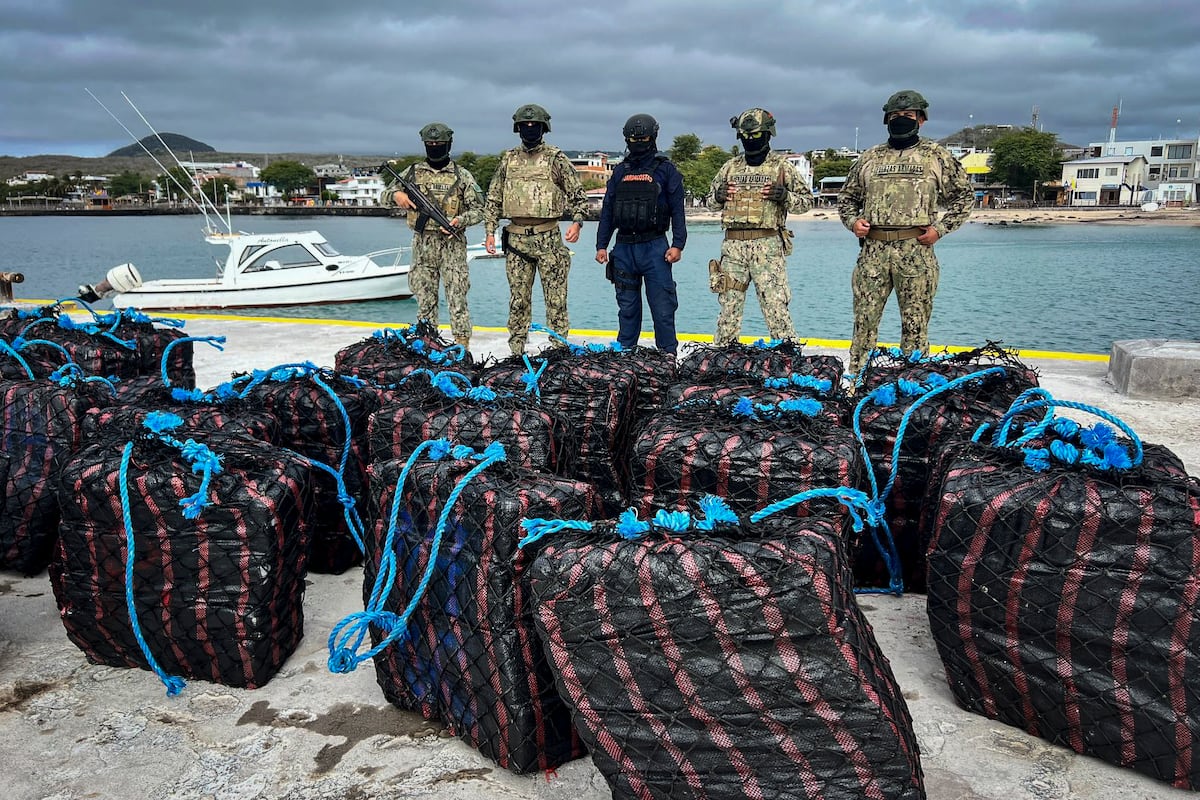
The world's oceans face unprecedented threats. Moreover, these threats now originate from organized criminal enterprises. For decades, these groups primarily focused on drug trafficking and other traditional illicit activities. Today, a concerning new trend is emerging. Criminal organizations are diversifying their portfolios into environmental crimes. They are exploiting vulnerable marine life for massive profits.
In Ecuador, this transition is particularly alarming. The powerful criminal group Los Choneros operates extensively in Manabí. This organization is notorious for controlling drug and fuel trafficking routes. In addition, they have recently expanded their operations to include shark hunting and finning. Shark fins command high prices in international markets. This provides a new, lucrative income stream for the group. Their involvement adds a violent dimension to existing conservation challenges.
This predatory shift places immense pressure on already fragile ecosystems. Ecuador is home to critical marine hotspots, including the Galapagos Islands. These areas are vital for many shark species. Shark finning is a brutal practice. Fishermen often remove fins at sea. They then discard the live shark, leaving it to die. The high demand for fins drives this cruelty. Furthermore, the involvement of organized crime accelerates the decline of shark populations.
However, this issue extends beyond just environmental concerns. Organized crime groups often see wildlife trafficking as low risk. They face fewer penalties compared to drug trafficking. This makes it an attractive venture. On the other hand, the ecological damage is catastrophic. Global organizations recognize the threat of wildlife trafficking. According to sources like the World Wildlife Fund, it ranks among the largest illegal trades worldwide. It also destabilizes local communities and undermines governance.
Ultimately, addressing this crisis requires a coordinated international effort. Governments must strengthen marine enforcement. They must also close legal loopholes that allow illicit trade to thrive. Consumer demand for shark fins must be reduced globally. This shift from drug trafficking to environmental crime poses a new challenge. It demands a re-evaluation of security strategies. What changes do you think are most important for protecting marine life from criminal exploitation?