
Nepal faces a significant and growing air quality crisis. The capital city of Kathmandu frequently ranks among the world's most polluted. Smoggy skies hide the iconic Himalayan mountain views. This pollution is not merely an inconvenience for residents. It represents a serious threat to the nation's health and economic future. The challenge requires immediate and comprehensive action to mitigate long-term damage.
The tourism sector, a cornerstone of Nepal's economy, suffers immensely from this environmental problem. Visitors travel from around the globe to experience breathtaking landscapes and clear mountain air. However, dense smog now frequently obscures these attractions. Moreover, poor visibility often leads to flight cancellations and delays at Tribhuvan International Airport. This directly impacts travel itineraries and deters prospective tourists. Reduced tourism revenue affects countless local businesses and livelihoods dependent on the industry.
In addition to tourism losses, the health burden is rapidly increasing. The hazardous air quality causes widespread respiratory illnesses among the population. Hospitals report increased admissions for asthma, bronchitis, and other severe conditions. Long-term exposure further increases the risk of heart disease and stroke. This creates a rising healthcare cost for individuals and the state. A healthier population, however, is crucial for economic productivity and sustained growth.
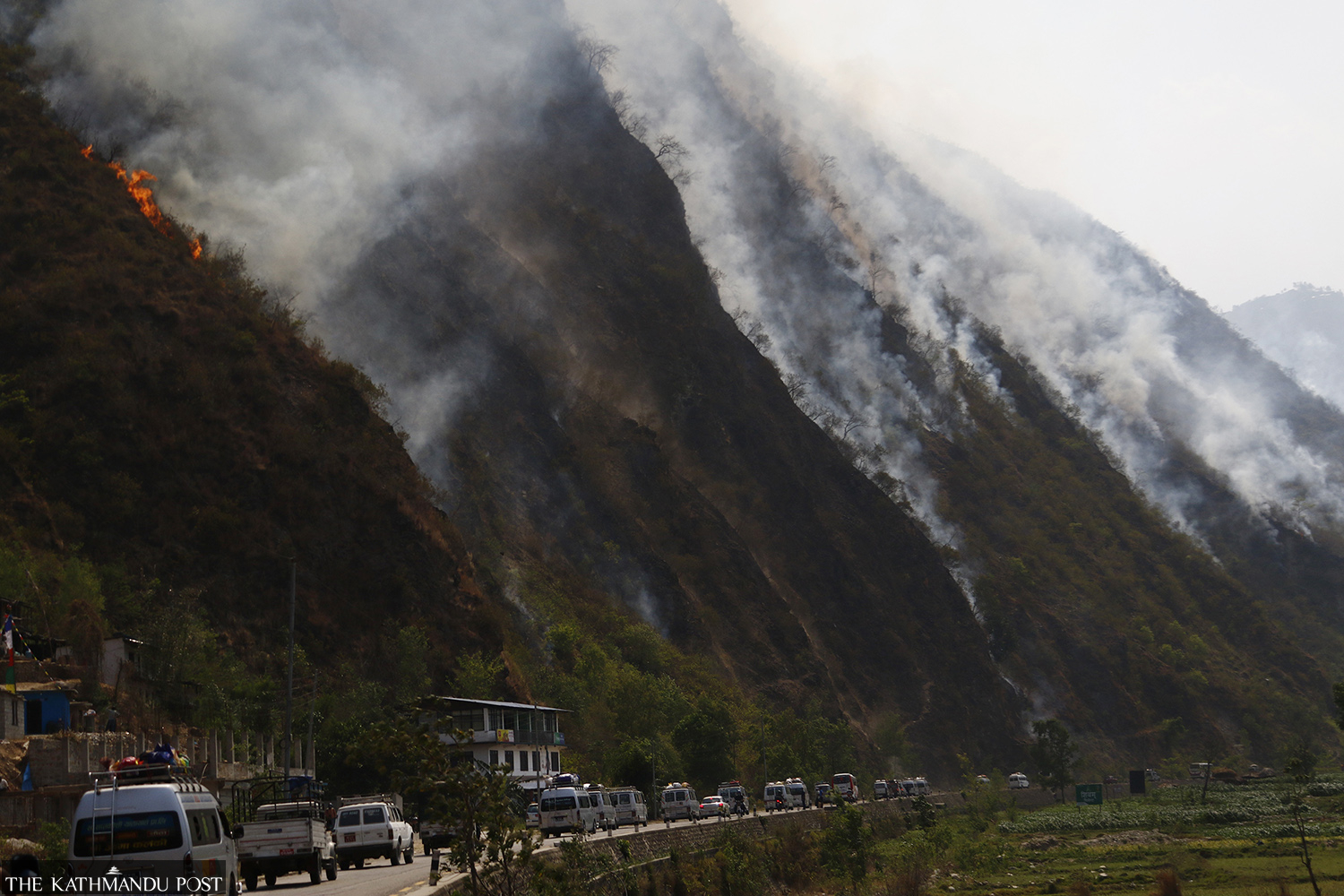
Analyzing the sources reveals a complex challenge. Vehicular emissions in urban areas are a major contributor. Furthermore, regional wildfires and agricultural burning exacerbate the situation during certain seasons. On the other hand, addressing this requires more than just local regulations. It necessitates coordinated national and regional strategies. Investing in green infrastructure and renewable energy sources offers a path forward for cleaner air and sustainable development.
Nepal's situation highlights the interconnectedness of environmental health and economic prosperity. The cost of inaction is visible in hospital wards and empty hotels. Tackling air pollution is essential to protect public health and secure the nation's economic future. How can international support help Nepal transition to cleaner energy? Addressing this crisis ensures both clean air and a thriving tourism industry for future generations.