
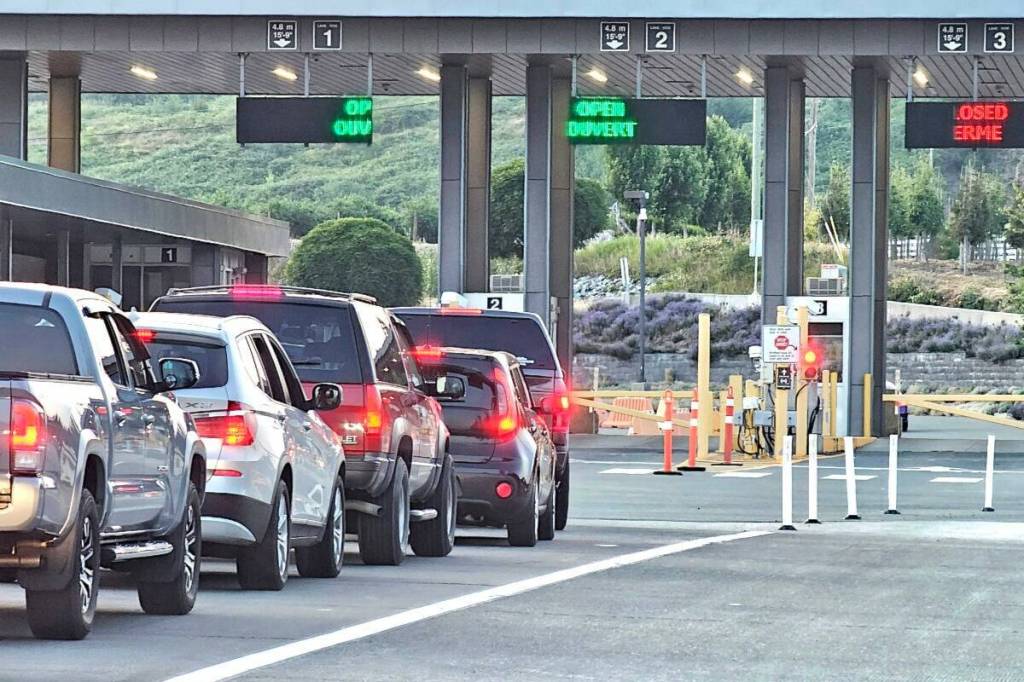
Data reveals a significant shift in cross-border travel patterns between the United States and Canada. Specifically, return automobile trips by Canadian residents have sharply decreased. The number of return trips plummeted by nearly one-third in December compared to the previous year. This substantial drop indicates changing traveler behavior and potential economic strains. The decline raises questions about the health of tourism and cross-border commerce.
Several economic factors are likely contributing to this downturn. Inflation has increased living costs in both countries. Consequently, discretionary income for travel has shrunk for many households. Moreover, the Canadian dollar's value has not fared well against the U.S. dollar. This makes travel and purchases in the United States considerably more expensive for Canadians. These financial pressures directly influence decisions to take leisure trips south of the border.
However, financial reasons are only part of the puzzle. Logistical challenges and a shift in priorities also play a role. Long wait times at border crossings can deter short-term trips. The extensive Canada-U.S. border, the longest international border in the world, presents unique logistical challenges. In addition, changes in post-pandemic work habits mean less business-related travel. People may also be prioritizing domestic travel within Canada over international trips to save money.
This reduction in travel has consequences for businesses operating near the border. Retailers and hospitality providers often rely heavily on cross-border shoppers. A sustained decline in traffic could impact their revenues significantly. On the other hand, this trend might encourage Canadians to explore new domestic destinations. This could offer a boost to Canadian tourism industries in various provinces.
The significant decrease in travel points to underlying economic and behavioral shifts. It suggests a new caution among Canadian consumers. Whether this trend represents a temporary reaction to high inflation or a long-term change remains to be seen. What factors do you believe are having the biggest impact on cross-border travel today? Are you traveling less, and if so, where are you choosing to go instead?