
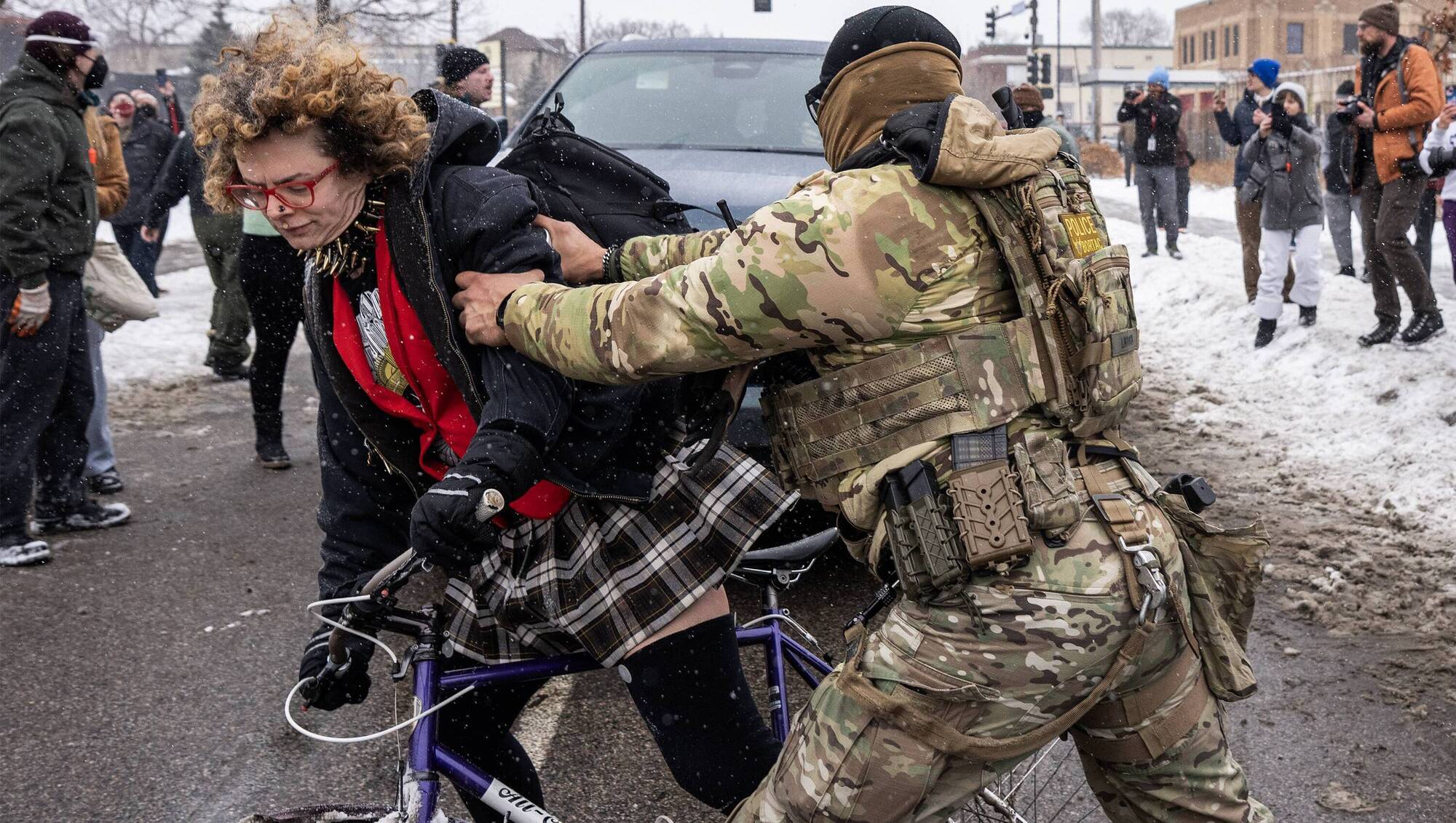
A profound sense of apprehension hangs over immigrant communities in Minneapolis. The recent increase in immigration enforcement activities has fundamentally altered daily life. Many residents report feeling pressured to remain indoors. They avoid public spaces where potential encounters might occur. This shift represents more than just a legal challenge. It is a significant social and psychological strain on the city’s most vulnerable populations.
The psychological toll on families is immense. Fear of separation permeates every aspect of existence. Parents worry constantly about children being left alone during a sudden detainment. Moreover, this climate of fear damages community trust. Individuals become hesitant to seek necessary medical care or report crimes. The normal social fabric of neighborhoods begins to fray under this pressure. It creates isolation where support is most needed.
However, the response is not uniform. While some communities retreat, others are mobilizing. Grassroots networks are quietly activating throughout Minneapolis. These networks provide essential resources like legal support and immediate mutual aid. They also organize rapid response teams for emergencies. In addition, these groups are forming safe spaces for residents seeking advice and comfort. This demonstrates significant community resilience.
The situation in Minneapolis reflects a larger national debate over immigration policy. The actions of enforcement agencies often stem from shifting political priorities. Consequently, local communities bear the brunt of federal decisions. Understanding these legal frameworks is essential for residents seeking protection. The American Civil Liberties Union (ACLU) provides resources for immigrants to understand their rights during encounters with law enforcement. This information empowers individuals to protect themselves.
Ultimately, Minneapolis is grappling with a deep divide. On one side, there is the fear of enforcement and separation. On the other side, there is the determined resistance and solidarity of community members. The city's response offers a look at how communities adapt under pressure. Will grassroots efforts prevail against systemic challenges? Share your thoughts on how communities can best support immigrant neighbors during these times.