
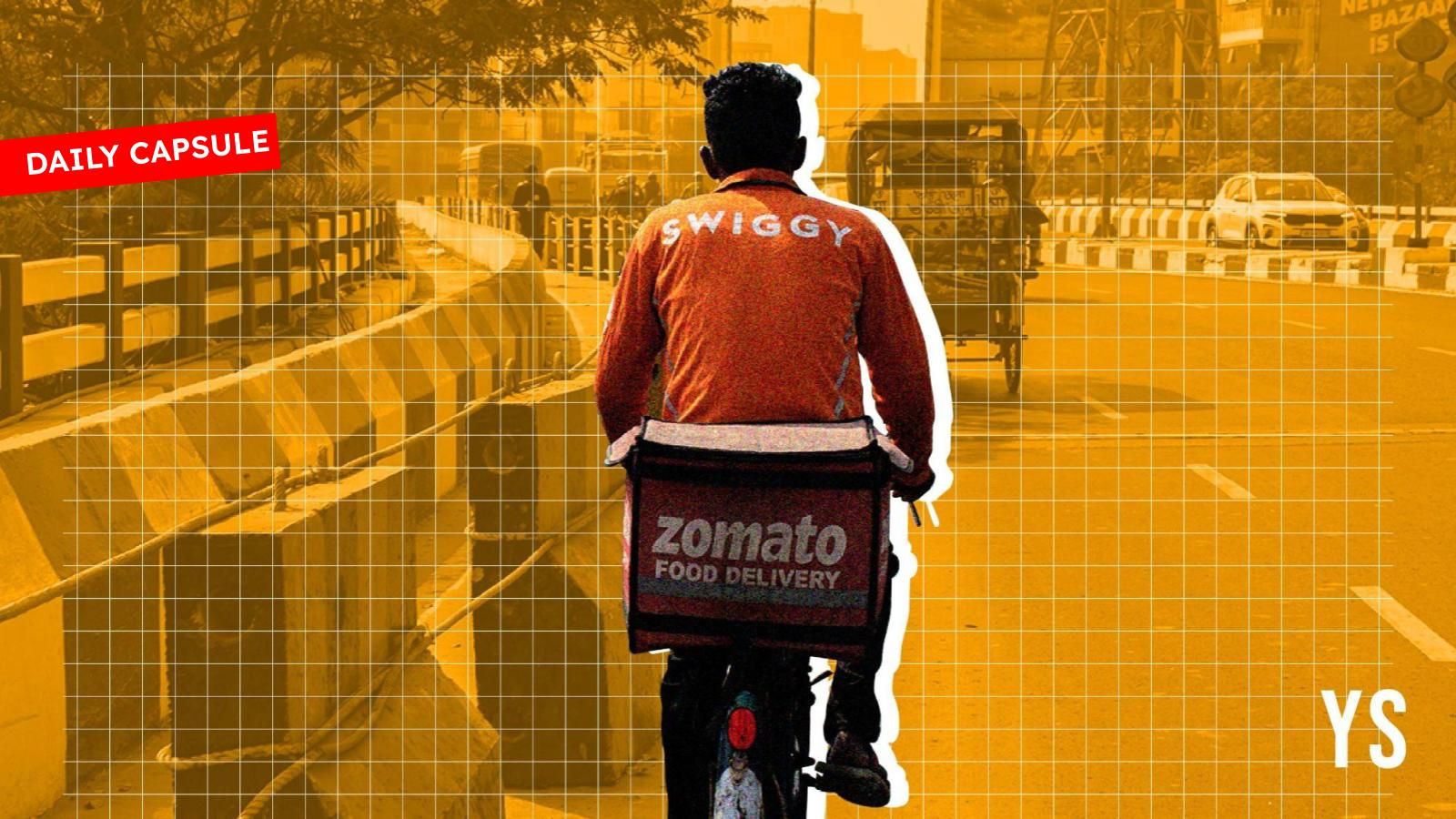
India’s quick commerce market is highly competitive. Several companies are locked in a battle for supremacy. Customers demand extremely fast delivery times for essential products. Swiggy, through its Instamart service, is a significant player in this arena. The company needs a strategic advantage to pull ahead of competitors. The race to achieve market leadership is currently heating up rapidly.
Swiggy is adjusting its approach to differentiate itself. The current strategy focuses on increasing product variety. This involves offering a significantly "larger assortment" of items in different categories. Competitors often prioritize high-turnover goods for speed. On the other hand, Swiggy aims to offer a wider selection of premium and niche products. This move transforms Instamart from a purely quick-delivery service into a comprehensive convenience store. The goal is to maximize customer spending per order.
The quick commerce model faces significant challenges regarding profitability. Companies must balance ultra-fast delivery promises with high operational costs. Competitors like Blinkit and Zepto are also heavily funded. They constantly innovate to reduce delivery times and increase efficiency. Swiggy must leverage its existing food delivery user base. Furthermore, it needs to integrate its services seamlessly to maintain customer loyalty in a high-turnover sector.
This strategic shift presents a calculated risk for Swiggy. While a larger inventory attracts more diverse customers, it also complicates logistics. Managing a vast catalog increases the likelihood of stockouts and waste. However, if executed correctly, it could create a sustainable competitive moat. A recent analysis highlights the massive potential of quick commerce in India (https://www.statista.com/outlook/dmo/ecommerce/india). Swiggy’s bet is that variety will drive long-term value over short-term velocity.
The quick commerce crown will ultimately go to a company with a strong foundation in both speed and sustainability. Swiggy's focus on assortment challenges the conventional high-velocity model. The long-term winner will be the platform that effectively converts quick orders into repeat customers. Will variety ultimately trump velocity in this high-stakes competition? What do you think is the key to winning the quick commerce market?