
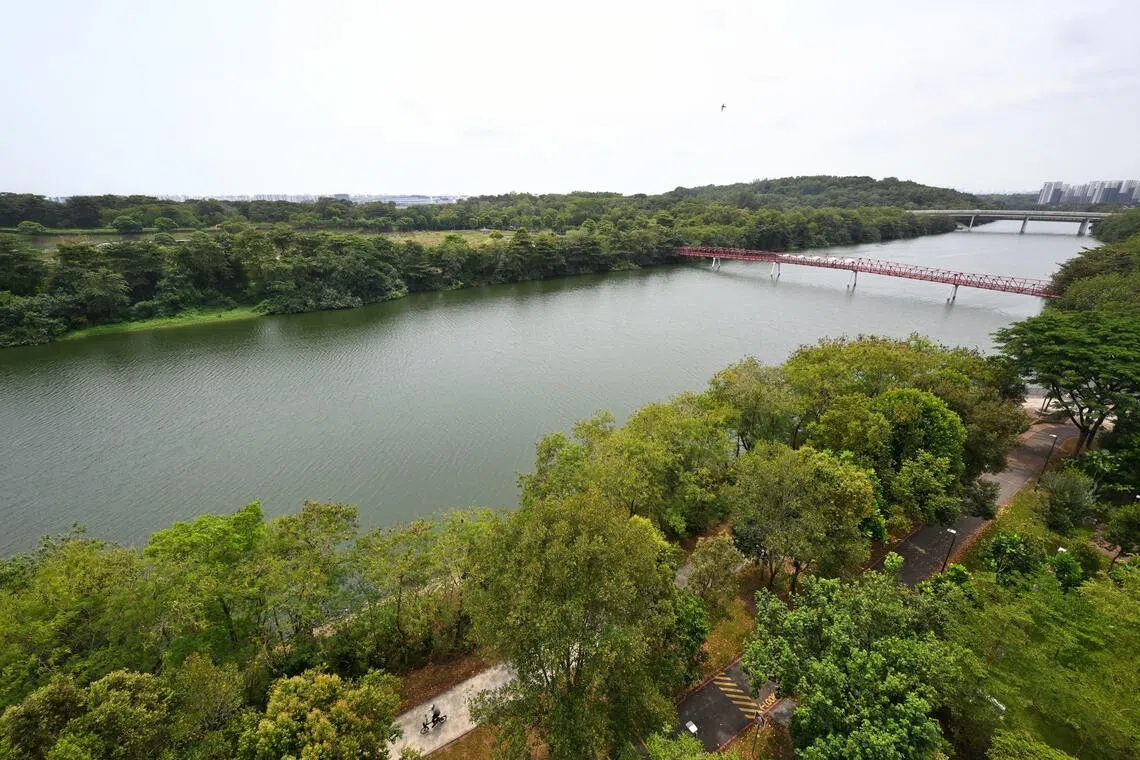
Singapore faces a critical decision regarding the Paya Lebar Airbase redevelopment. This transformation aims to create thousands of new homes in a prime location. The project promises to reshape the Northeast region significantly. However, this large-scale urban development raises important questions about conservation. The existing area currently holds a unique ecological value. A local environmental group has stepped in to propose a different approach to this massive undertaking.
The Nature Society Singapore suggests a significant portion of the land should be saved. Specifically, they propose dedicating one-third of the site to green areas. This proposal focuses on preserving existing vegetation. The society emphasizes that this specific area represents one of the final remaining “wild growth areas” in the region. These habitats support diverse wildlife. Preserving established ecosystems provides more benefits than simply planting new trees later.
This proposition highlights the ongoing conflict between progress and preservation. Singapore has limited land available for both housing and nature. The government promotes a "City in Nature" vision. However, large-scale developments often prioritize economic efficiency over ecological integrity. We must carefully consider the value of existing natural spaces. It is challenging to replicate the complexity of a natural, wild ecosystem once it is destroyed.
Retaining a significant green space offers various benefits for future residents. It enhances climate resilience in a highly developed urban environment. It also creates vital biodiversity corridors for wildlife movement. Moreover, exposure to nature significantly improves mental health and well-being. Singapore has made great strides in green infrastructure. The National Parks Board, for example, oversees extensive initiatives to integrate nature into the urban fabric. These strategies support a greener future for the island.
The Paya Lebar redevelopment presents a critical test of Singapore's commitment to sustainability. This plan must balance development needs with ecological preservation. Will authorities prioritize short-term housing targets? Or will they heed calls for a long-term, nature-centric urban design? This decision will impact future generations living in the new Paya Lebar district. What do you believe is the right balance between construction and conservation?