
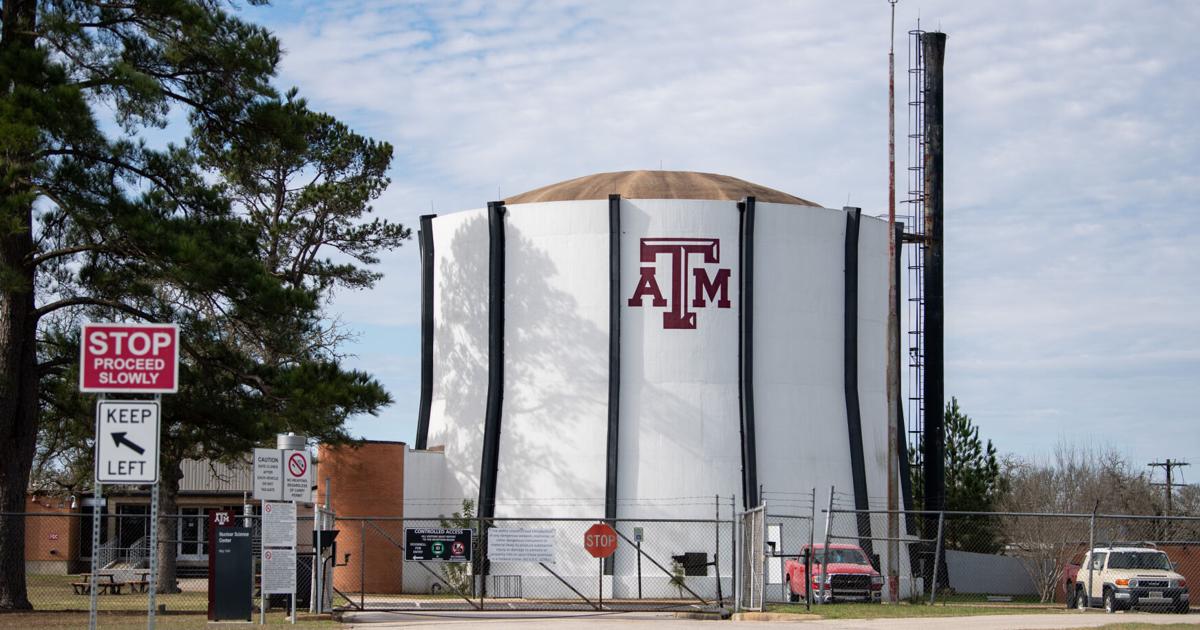
Texas A&M recently held a notable open house. The event showcased its Nuclear Engineering Education Building. Dignitaries toured the facility and its research reactor. This demonstration emphasized the critical role of university research. It highlights nuclear power as a vital part of the future energy mix. The open house provided a rare glimpse into cutting-edge technology. It also signaled renewed interest in nuclear innovation.
The public perception of nuclear energy has historically been complicated. Older reactor designs caused significant environmental concern. However, modern technology is different. Universities like Texas A&M focus on developing safer, more efficient systems. Small Modular Reactors (SMRs) are a key part of this new approach. They are designed to be smaller and easier to deploy. Furthermore, advanced designs offer passive safety mechanisms. This reduces the risk of human error and major accidents.
The primary purpose of a university reactor is education. It serves as a laboratory for engineering students. Students learn reactor operations in a hands-on environment. Moreover, these facilities are crucial for developing new materials. Researchers test materials for durability under high radiation levels. This research helps extend the lifespan of future power plants. It ensures the next generation of nuclear experts are well-trained.
Nuclear power provides reliable, clean energy generation. Unlike solar and wind power, it provides stable base load electricity. This stability is essential for maintaining grid reliability. In addition, nuclear power produces almost zero greenhouse gas emissions. It is a powerful tool in combating climate change. For more information on nuclear energy's role in a low-carbon economy, visit the World Nuclear Association website. Texas A&M's initiative demonstrates this potential.
This event represents a crucial step toward public engagement. It shows how universities are leading energy innovation. By making nuclear technology more accessible, institutions reduce public anxiety. The future requires a diversified energy portfolio. Nuclear power must be part of that solution. What do you believe is the biggest challenge to adopting nuclear energy today?