
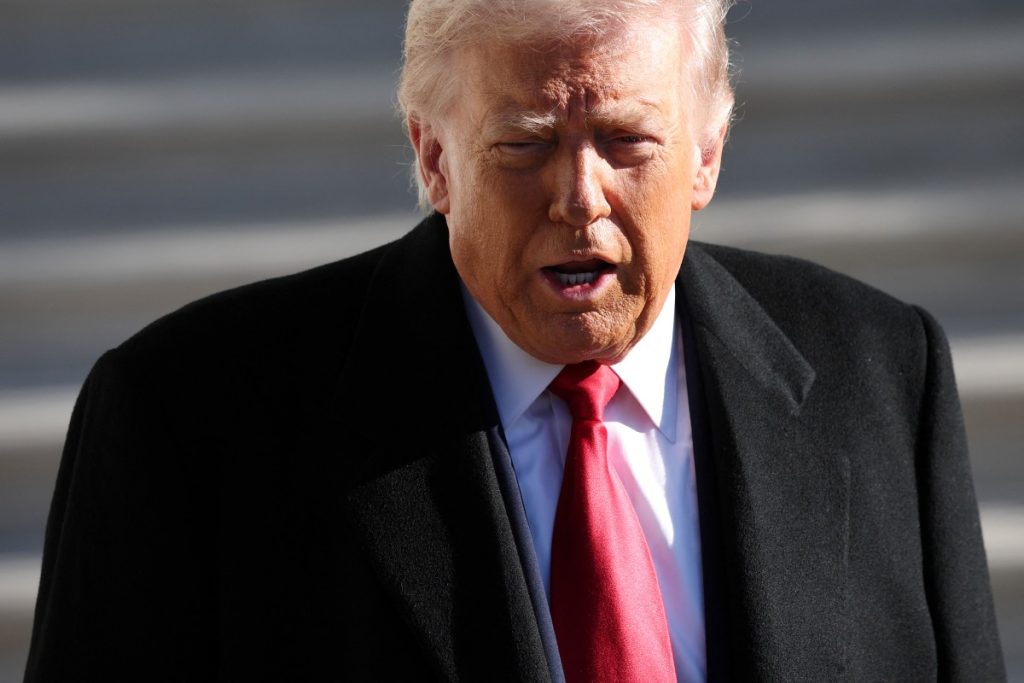
Donald Trump recently revealed a surprising motivation behind a past geopolitical strategy. He linked his 2019 attempt to purchase Greenland to his desire for a Nobel Peace Prize. This statement connects a seemingly strategic move to a deeply personal aspiration. The former president has frequently sought recognition for global achievements. He believes he deserves accolades for his work on various international agreements during his term.
The Nobel Peace Prize has long been an unfulfilled ambition for Trump. He has publicly expressed frustration over never winning the award. He often highlighted his role in the Abraham Accords and other peace efforts in the Middle East. For Trump, the prize represents the highest form of global validation. He sees a Nobel as proof of his success on the international stage.
The Greenland acquisition attempt caused international controversy back in 2019. It was widely seen as an attempt to boost US strategic presence in the Arctic. Moreover, resources like rare earth minerals were a strong draw for the US. Trump now frames the attempt differently. He suggests it was part of a broader ambition for historic global deals. He hoped a "big win" might satisfy the Nobel committee.
This new interpretation reinterprets a potentially cynical geopolitical play. On the one hand, annexing territory usually creates conflict rather than peace. However, a major acquisition could be framed as a historical legacy achievement. This focus on personal recognition raises questions about political motivations. For instance, the US has a history of major territorial acquisitions like the Alaska Purchase, which cemented its continental power. The 1867 purchase was seen as a strategic bargain for resources and influence.
Ultimately, this statement reveals how personal aspirations can influence national policy. It raises questions about the true motivations behind high-stakes political decisions. Was the Greenland bid genuine, or a performative act for personal validation? We must evaluate if this pursuit of recognition affects genuine international peace efforts. What do you think motivated this unique proposal?