
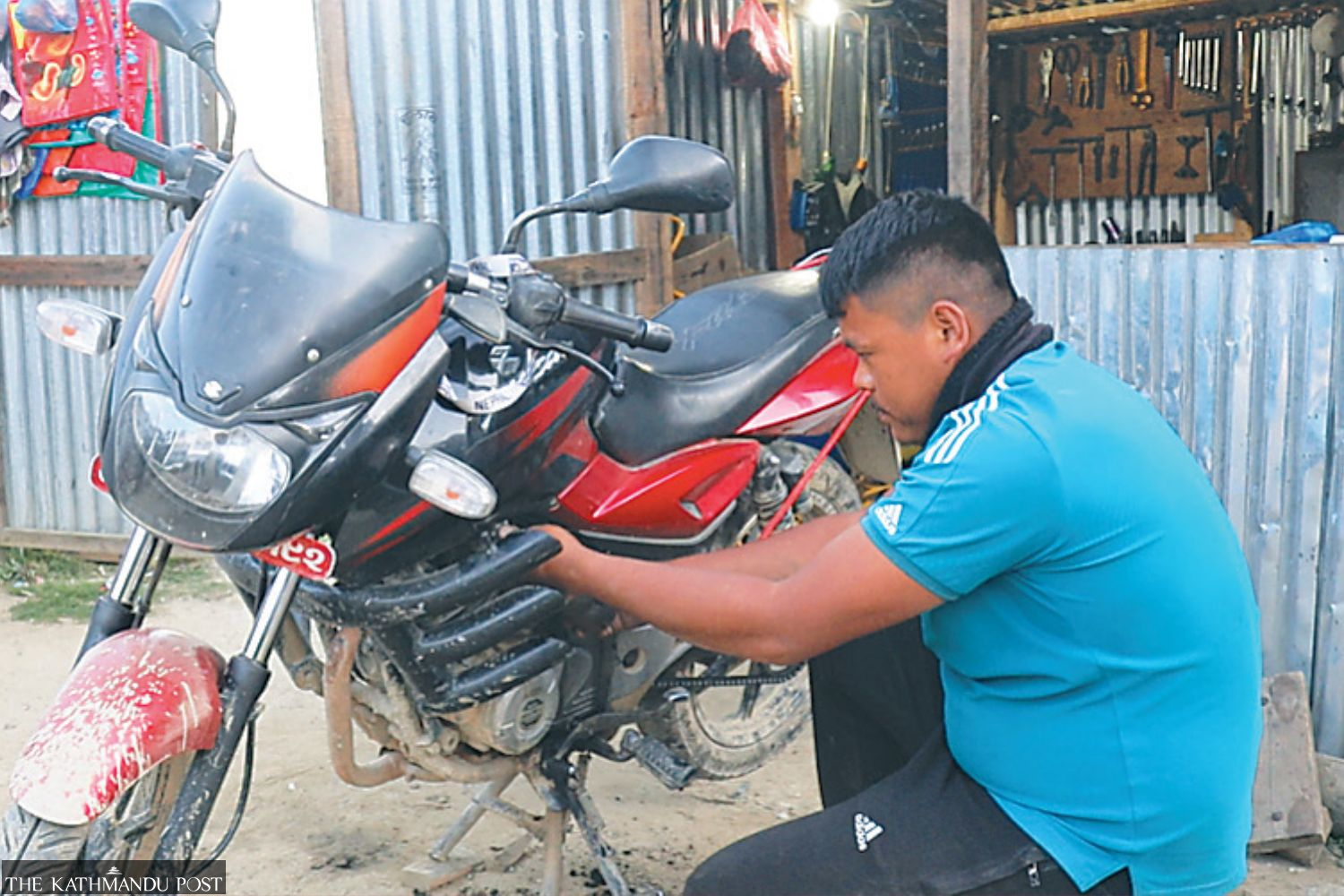
Rural communities worldwide are undergoing rapid transformation. Traditional transportation methods, like walking and cycling, are being replaced by motorcycles. This shift in personal mobility brings new challenges and opportunities. As motorcycles become commonplace, a critical demand emerges. Residents need local services for maintenance and repairs. This development is creating a new pathway to economic stability for many villagers.
Previously, villagers relied heavily on agriculture for income. This source can be volatile due to weather conditions and market fluctuations. However, the motorcycle repair trade offers a more consistent revenue stream. These small businesses operate throughout the year. Entrepreneurs are seizing this opportunity to establish small repair shops. They provide essential services close to home, replacing trips to distant towns.
Acquiring the necessary technical skills is paramount. Many individuals are learning through apprenticeships with established mechanics. Others access formal training programs provided by non-profit organizations or technical schools. In addition, new mechanics often start by repairing their own vehicles. This hands-on experience quickly develops vital skills. This focus on practical knowledge highlights a shift toward a service-based economy.
This growth in local service businesses strengthens community resilience. It creates independence for small entrepreneurs. Moreover, it keeps wealth circulating within the village economy. It offers a viable alternative to migrating to cities for work. According to a World Bank study, non-farm income sources significantly reduce poverty in rural areas. This trend shows the power of local businesses.
The rise of local motorcycle repair shops is more than just a convenience. It represents a fundamental shift in rural economic structures. Villagers are moving from traditional livelihoods to a modern service economy. This transition offers hope and stability for countless communities. Have you observed similar changes in your local area? What other small businesses are growing in rural settings?