
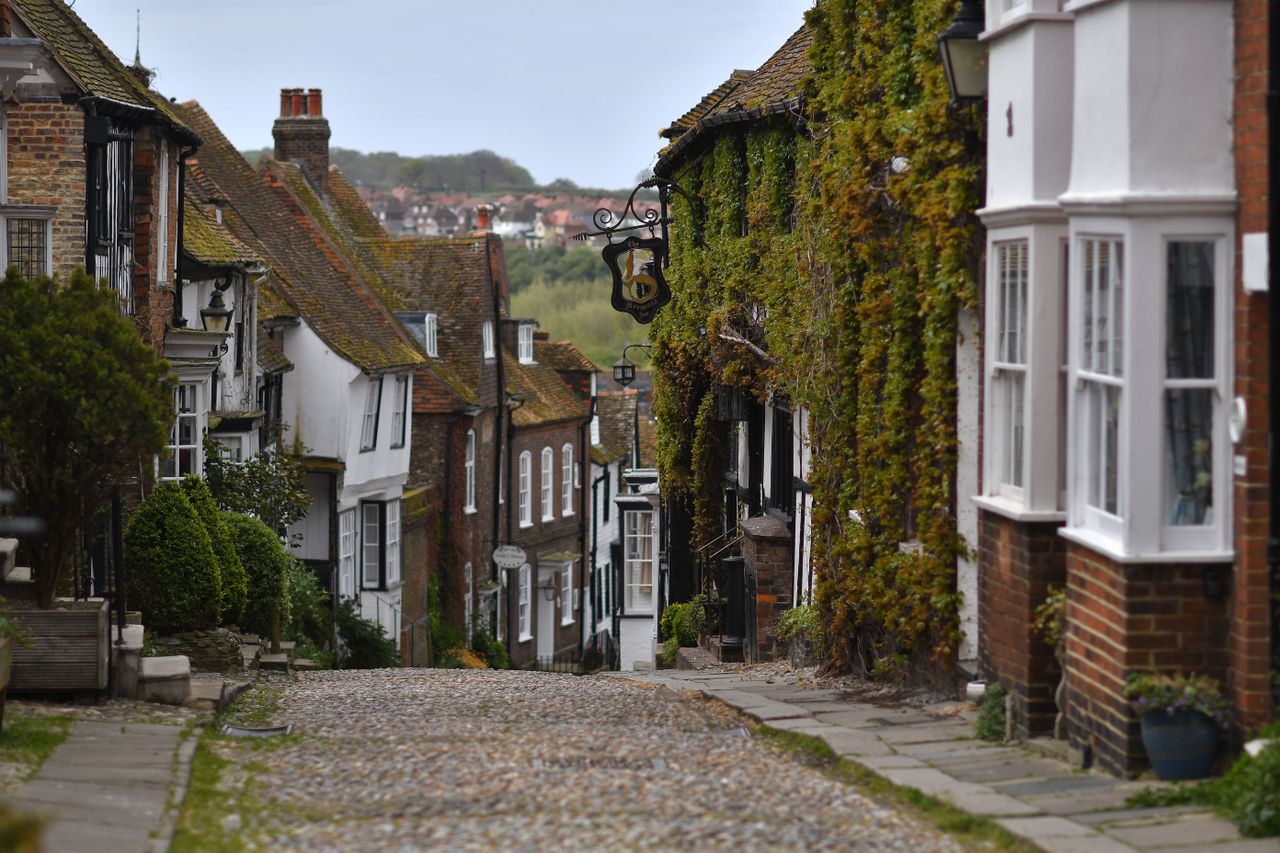
Modern cities often face a dilemma: preserve history or embrace new development. The pressure to build new infrastructure is constant. Developers argue that old buildings are inefficient and costly. This frequently leads to the destruction of unique historical districts. Many people believe that new development automatically equals progress. However, this perspective overlooks the significant value of cultural heritage and community identity. We must decide if short-term gains are worth sacrificing long-term cultural assets.
Historic city centers offer more than just aesthetic appeal. They provide a vital link to a community's past. These areas contain the collective memory of generations of residents. Preserving them helps maintain a unique sense of place. Moreover, historical sites often represent distinct local traditions and architecture. When these are lost, cities become increasingly homogenized. They lose the character that makes them special and memorable for both residents and visitors.
Economically, preserving old towns can be highly beneficial. While new construction brings immediate jobs, historic districts attract tourists and support unique local businesses. These areas often draw creative industries and start-ups. In addition, the long-term economic value of cultural tourism can outweigh the cost of modernization. On the other hand, unchecked development often creates generic, high-density environments. This can erode a city's appeal over time.
The protection of cultural sites is recognized globally as a priority. Organizations like UNESCO highlight the importance of safeguarding heritage. According to UNESCO, the deterioration of cultural heritage impoverishes all nations. This applies to both internationally recognized landmarks and local historic neighborhoods. We must consider the ethical implications of development. Cultural heritage defines a city’s unique identity in a rapidly globalizing world.
Ultimately, a successful city must find a balance between old and new. Thoughtful urban planning integrates modern needs without erasing historical footprints. The value of heritage extends beyond simple real estate calculations. It enriches lives and strengthens communities. How do you think your local government should balance progress with preservation? Let us know in the comments below.