
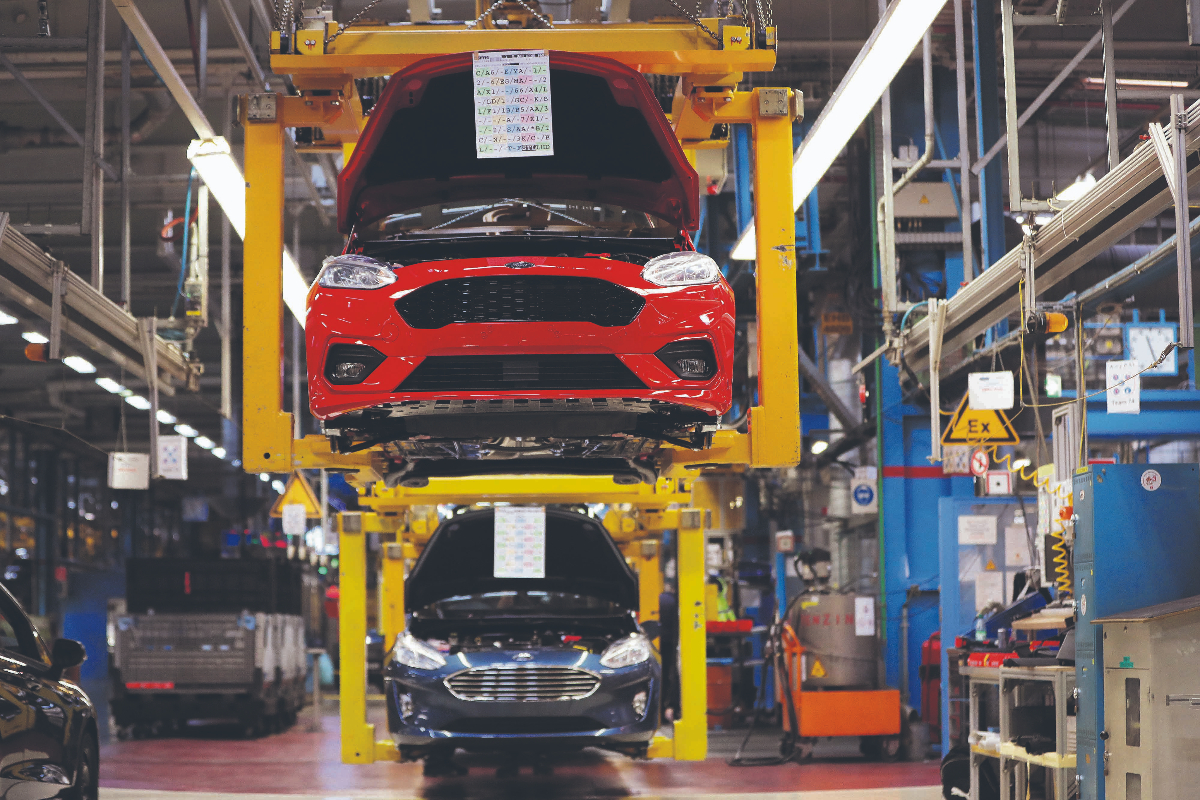
The UK manufacturing sector is facing significant headwinds. Industry leaders warn that escalating costs threaten long-term viability. A recent survey highlights growing fears about competitiveness. Businesses are struggling to absorb rising energy and material prices. This pressure comes at a critical time for the new government. Manufacturers fear a potential exodus of operations overseas. This trend could severely impact the UK economy.
Rising operational costs are the primary concern for many firms. High inflation increases expenses across the supply chain. Moreover, manufacturers face pressure from global competitors. Many international rivals operate with lower overheads. This disparity makes UK exports less attractive. Companies are also grappling with skills shortages. These factors combine to create a challenging environment for investment. On the other hand, the UK retains strengths in high-value manufacturing and innovation.
The government must address these challenges to prevent further decline. A clear industrial strategy is vital for long-term growth. This strategy should focus on supporting green technologies and high-tech manufacturing. In addition, policies must alleviate immediate cost pressures. Investing in skills development is also crucial. Failure to act risks diminishing the UK’s global standing. According to recent reports, some manufacturers are already struggling to survive.
The current situation creates a difficult choice for policymakers. The government must decide between short-term cost relief and long-term structural change. Short-term fixes might include energy subsidies. However, a sustainable strategy requires deeper investments in technology and infrastructure. The UK must compete on innovation, not just cost. A focus on advanced manufacturing processes could secure the sector’s future. This approach would help protect valuable jobs.
Ultimately, the competitiveness of UK manufacturing hangs in the balance. The sector needs robust support to maintain its global standing. Without a decisive intervention, a significant portion of the industry could shrink. This would impact thousands of jobs and local communities. What steps do you think the government should prioritize to protect this vital sector?