
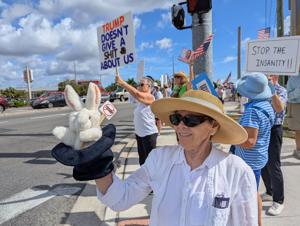
In towns and cities nationwide, local communities are becoming centers of public dissent. A groundswell of frustration over social injustices and national events has sparked numerous demonstrations. These gatherings bring together individuals from diverse backgrounds. They aim to voice serious concerns about current national events. Recent high-profile incidents have served as catalysts for widespread calls for change.
A major focus of recent protests involves immigration enforcement policies. Many demonstrators criticize specific actions by Immigration and Customs Enforcement (ICE). They argue that certain policies violate human rights and lack transparency. Furthermore, protesters often address broader critiques of previous administrative policies. The specific actions enacted during that period generated significant controversy and opposition among many citizens.
These local gatherings play a crucial role in shaping national discussions. They prove that widespread dissatisfaction exists beyond major metropolitan areas. Protesters utilize public spaces to increase visibility for their message. The demonstrations often bring together disparate groups with shared goals for reform. For instance, the ACLU details how local activism has historically driven significant changes in civil rights legislation in the United States: Protesters' Rights.
The protests highlight deep divisions within the country regarding policy and social issues. Supporters view these actions as necessary expressions of democratic freedom. On the other hand, critics often express concern about potential disruptions to public order. The events underscore a fundamental disagreement about the role of government and law enforcement. These varying perspectives make finding common ground increasingly difficult for policymakers.
Ultimately, these protests demonstrate a powerful desire for accountability and systemic change. They serve as a reminder of the public's power to demand reform. The movement encourages citizens to examine complex issues related to justice and policy. Understanding these underlying tensions is vital for navigating a path forward. How do you think local protests contribute to larger national conversations about justice?