
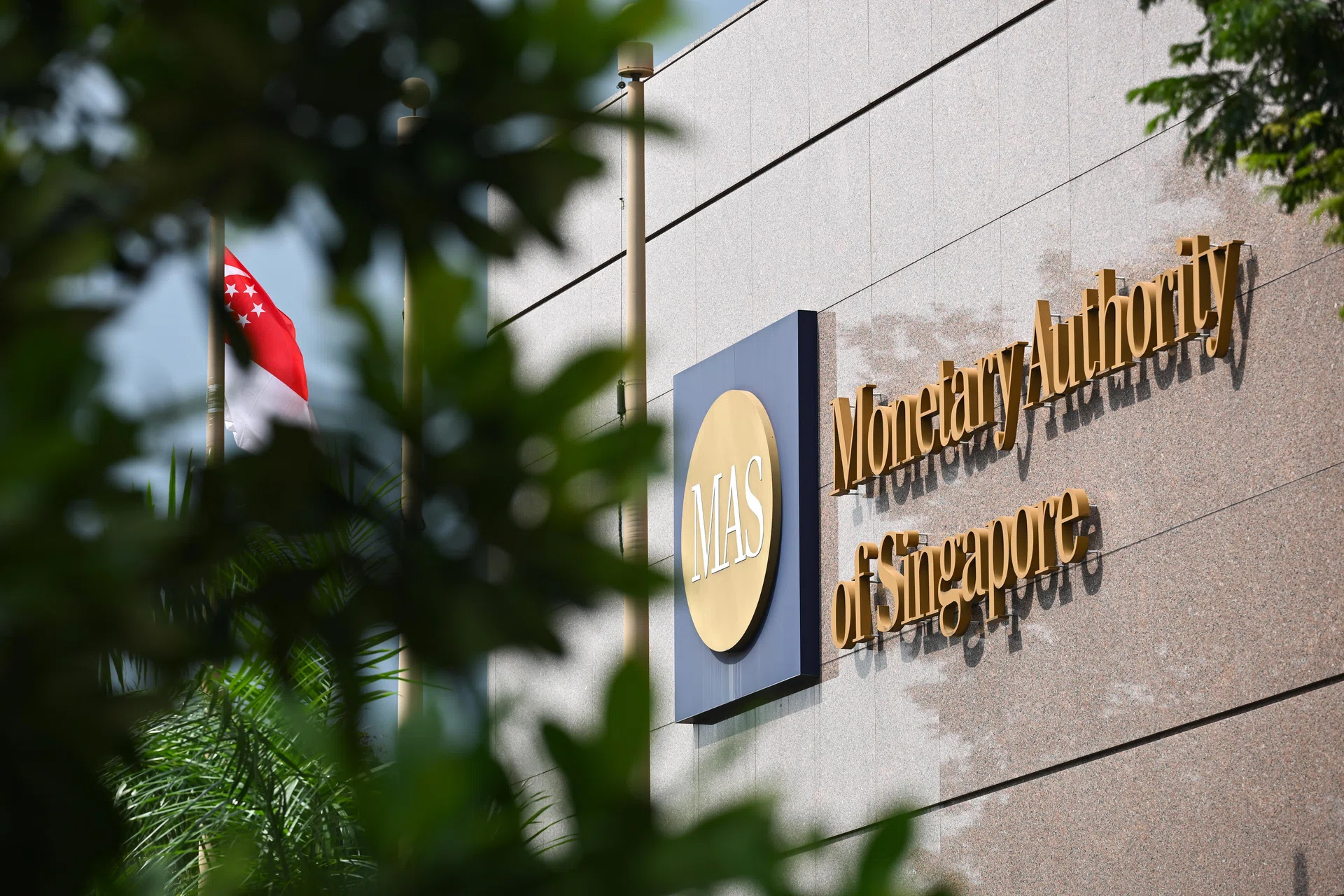
Global stock exchanges are constantly evolving to meet the demands of modern companies. Dual listings have become increasingly popular for businesses seeking wider investor access. A recent agreement between the Singapore Exchange (SGX) and Nasdaq exemplifies this trend. This collaboration creates a streamlined pathway for companies to list on both platforms simultaneously. It highlights a significant shift towards greater international financial integration and cooperation between markets.
Singapore's financial market possesses unique characteristics. The Straits Times Index (STI) has recently shown strong performance. This presents a challenge for newly listed companies. They must compete directly with established market leaders for investor attention. Moreover, local investors are discerning and look for quality. The dual listing option provides a competitive edge for attracting global capital. It allows companies to tap into a broader pool of international investors and gain enhanced visibility.
This SGX-Nasdaq collaboration serves as more than just a bilateral agreement. It functions as a potential blueprint for future dual-listing arrangements worldwide. This model simplifies regulatory hurdles for companies seeking international expansion. Furthermore, it increases overall market liquidity by accessing a larger pool of global capital. Other jurisdictions are closely watching its implementation. The success of this bridge will likely determine future partnerships and market integration strategies.
For companies, dual listing offers clear benefits like increased visibility and capital raising potential. Listing on a global exchange like Nasdaq offers massive exposure, particularly to US investors. However, managing two sets of regulations can be complicated. Companies must adhere to both local and international governance standards. For investors, dual listings expand opportunities for portfolio diversification across different time zones. To learn more about this process, read about the fundamentals of dual listings on Wikipedia.
The SGX-Nasdaq bridge signifies a major step toward a truly interconnected global market. It demonstrates how exchanges can cooperate effectively to foster growth and accessibility. This trend will likely continue as more jurisdictions seek similar partnerships. Global investors must adapt to these changing dynamics as the financial landscape evolves rapidly. What do you believe is the biggest implication of this financial integration for future investing?