
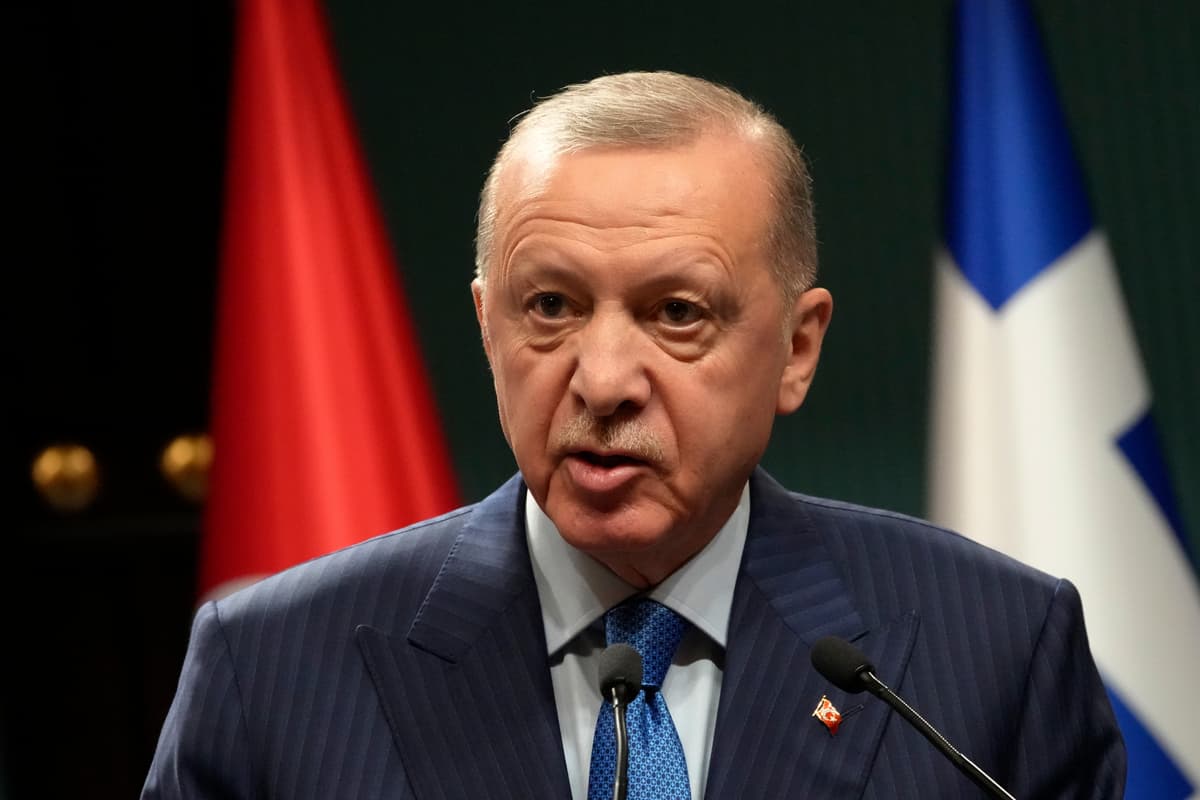
President Erdogan has significantly strengthened Turkey's ties with Pakistan. This relationship goes far beyond simple diplomacy. Ankara and Islamabad are collaborating on advanced military technology. The two nations share a vision of increased regional influence. This deepening alliance is raising alarms among Western observers. It signals a major shift in global power dynamics.
The alliance creates apprehension due to both countries' historical contexts. Pakistan has long struggled with internal stability and counterterrorism efforts. Turkey's recent political direction under Erdogan has also caused friction with NATO partners. Moreover, a shared ideological approach to regional issues fuels skepticism. This alignment diverges significantly from established Western norms. It presents challenges to existing security structures.
The core fear surrounding this partnership concerns nuclear proliferation. Pakistan is already a nuclear state. Turkey has expressed interest in developing similar capabilities, particularly under Erdogan. This dynamic creates a significant proliferation risk. The potential transfer of technology or expertise from Pakistan to Turkey is a serious concern. According to sources like Wikipedia, Pakistan's nuclear program has a complex history regarding international controls. This historical record exacerbates current fears among global powers.
In addition, the growing partnership directly impacts the geopolitical landscape. Turkey and Pakistan aim to create a new axis of power. This challenges traditional alliances in the Middle East and South Asia. For instance, Turkey's support for Pakistan heightens tensions with India. Conversely, the alliance complicates NATO's strategy in the region. It also raises concerns for Central Asian stability. The partnership could easily escalate existing regional conflicts.
In conclusion, the Turkey-Pakistan alliance signals a major strategic pivot. It challenges the existing international order and raises serious proliferation concerns. Global powers must carefully monitor this developing partnership. The potential for greater instability in both regions warrants serious attention. Therefore, how should the international community respond to this emerging strategic partnership?