
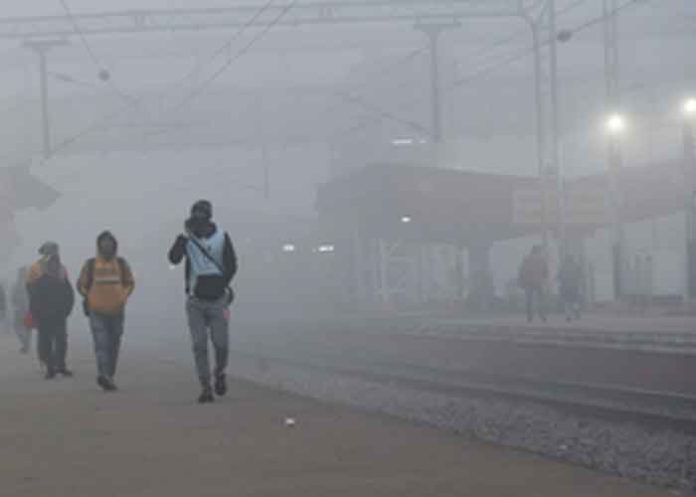
Kolkata recently faced a severe environmental challenge. Its air quality plummeted significantly. For a full week, the city's pollution surpassed Delhi's notorious levels. This alarming trend has raised serious public health concerns. Environmental experts are now urging immediate action.
A key recommendation involves expanding the city's monitoring network. Experts advocate for more automatic air quality stations. These facilities should be strategically placed. Specifically, densely populated and traffic-heavy zones are priorities. This wider coverage aims to provide a more accurate pollution map.
Current monitoring might not capture the full picture. Localized pollution hotspots often go undetected. Moreover, congested urban areas face unique challenges. High traffic and human density exacerbate air quality issues. Precise data from more stations would allow targeted interventions. This approach is crucial for effective pollution control.
Accurate data empowers informed policy decisions. For instance, understanding specific emission sources becomes possible. Governments can then tailor strategies for industrial controls or public transport initiatives. On the other hand, limited data restricts effective mitigation efforts. Air pollution is a serious global health threat, affecting millions worldwide according to the World Health Organization.
Kolkata’s recent air quality crisis serves as an urgent wake-up call. The demand for enhanced monitoring is both timely and vital. It forms a crucial first step towards healthier urban environments. How do you believe cities can best tackle their air quality challenges? Share your thoughts on fostering cleaner air for everyone.