
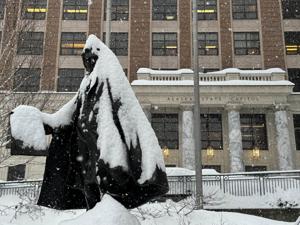
A profound budgetary deadlock grips the state of Alaska. The legislature failed to agree on a necessary fiscal plan for the upcoming year. This impasse has left vital state services in jeopardy. The situation is a modern parable of political inaction. It reflects a deep divide between differing priorities in Juneau. The financial future of the state hangs in the balance.
The root cause lies in Alaska's reliance on oil revenue. Fluctuations in global oil prices create volatile budget projections. The state government struggles to balance spending against these unstable resources. Moreover, legislators disagree on the size of the annual Permanent Fund dividend. Some argue for increased dividends to citizens. Others demand funding for critical infrastructure and education. This fundamental conflict prevents consensus on a long-term strategy.
The consequences of this gridlock are severe. State agencies face potential shortfalls in funding. Essential services like healthcare and transportation may be impacted. On the other hand, the state must address long-term sustainability. Many argue that current spending levels are unsustainable without new revenue sources. The current political environment makes meaningful compromise difficult to achieve.
In addition, Alaska's political structure often complicates budgetary solutions. The state lacks broad-based taxes like income or sales taxes. This forces the legislature to rely heavily on the Permanent Fund earnings. This practice creates continuous debate over fiscal priorities. The Permanent Fund itself was designed to provide long-term stability for residents. Understanding its purpose and history is key to comprehending the current crisis.
The comparison to Ebenezer Scrooge suggests a needed change in perspective. The state's leaders must overcome their fiscal stinginess or extravagance. They must find common ground for the good of the state's residents. This requires difficult decisions about spending cuts or new revenue streams. The state needs a solution that transcends short-term political gains. What kind of budget compromise do you think Alaska should pursue to resolve this impasse?