
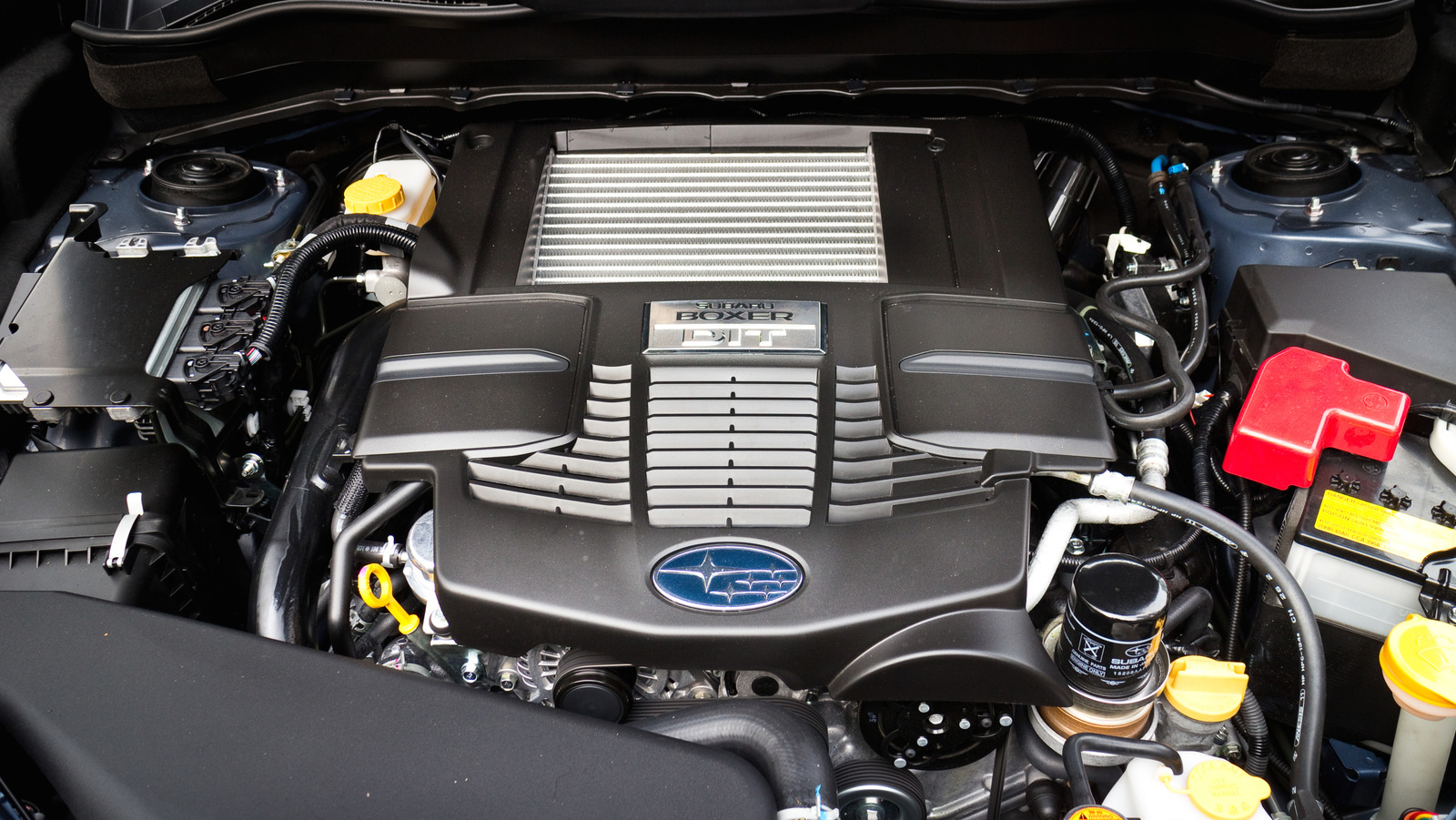
Subaru holds a special place in automotive hearts. Its signature boxer engine layout delivers a distinctive rumble. This unique design also offers a lower center of gravity. However, even revered brands have occasional missteps. Not every engine from the Japanese automaker hit the mark.
Early generations of Subaru's 2.5-liter naturally aspirated engines, for instance, often suffered from persistent head gasket failures. This issue led to costly repairs for many owners. Coolant leaks and overheating were common complaints. Moreover, ignoring these symptoms could cause more severe damage.
Another concern arose with certain iterations of their 2.0-liter and 2.5-liter engines. Excessive oil consumption became a widespread problem. Owners frequently had to top up their engine oil between changes. This was not just an inconvenience; it indicated internal wear. The unique flat engine design, also known as a boxer engine, presented specific engineering challenges for lubrication. For more on this engine type, learn more about flat engines here.
Furthermore, some high-performance turbocharged engines faced reliability hurdles. These issues often included rod bearing failures or ringland degradation. Such problems frequently surfaced under aggressive driving or with aftermarket modifications. Repairing these advanced engines could become incredibly expensive. On the other hand, well-maintained examples often performed admirably.
It is clear that not all Subaru engines were created equal. While the brand is celebrated for its all-wheel-drive and engaging driving dynamics, some powerplants tested owner patience. These instances remind us that even industry leaders encounter engineering challenges. What has been your experience with Subaru engines? Share your thoughts below!