
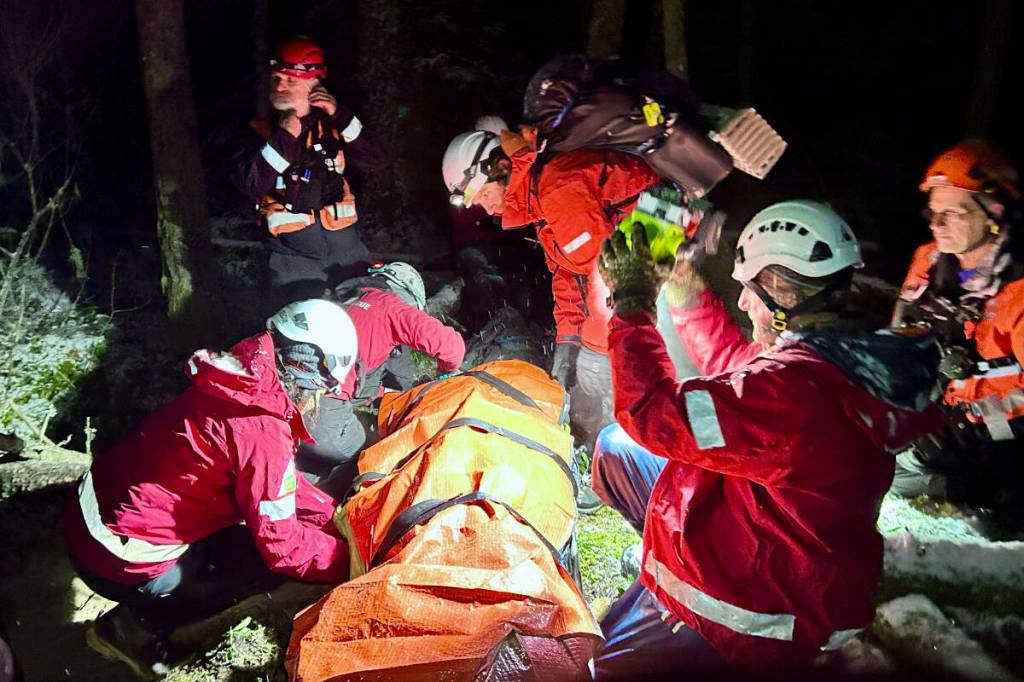
A recent incident in British Columbia serves as a stark reminder of the potential dangers of hiking. A hiker near Clearwater needed rescue after falling down an embankment and into a river. Fortunately, rescue teams were able to successfully extract the injured individual. This incident highlights the importance of preparedness and caution when exploring the wilderness.
Hiking, while rewarding, can be inherently risky. Unpredictable terrain, changing weather conditions, and wildlife encounters can all pose threats. Moreover, fatigue and dehydration can impair judgment and increase the likelihood of accidents. Planning your route, checking weather forecasts, and packing essential supplies are crucial steps.
Proper gear is also essential for a safe hike. Sturdy hiking boots provide ankle support and traction. A well-stocked first-aid kit can address minor injuries. A map and compass, or a GPS device, can prevent getting lost. Also, consider carrying a personal locator beacon (PLB) for emergencies. You can explore more about wilderness survival on sites such as Wikipedia.
Beyond equipment, awareness of your surroundings is paramount. Pay attention to trail markers and potential hazards. Avoid hiking alone if possible. Furthermore, let someone know your hiking plans and expected return time. This ensures that help can be dispatched quickly if needed.
The B.C. rescue serves as a critical lesson for all outdoor enthusiasts. Taking precautions and being prepared can significantly reduce the risk of accidents. What safety measures do you prioritize on your hikes? Share your tips and experiences in the comments below to help others stay safe on the trails.